Cerebrolysin: Neurotrophic Peptide Complex for Brain Repair and Neuroplasticity
Exploring the clinical evidence behind cerebrolysin's neurotrophic and neuroprotective properties in traumatic brain injury recovery, stroke rehabilitation, and age-related cognitive decline.
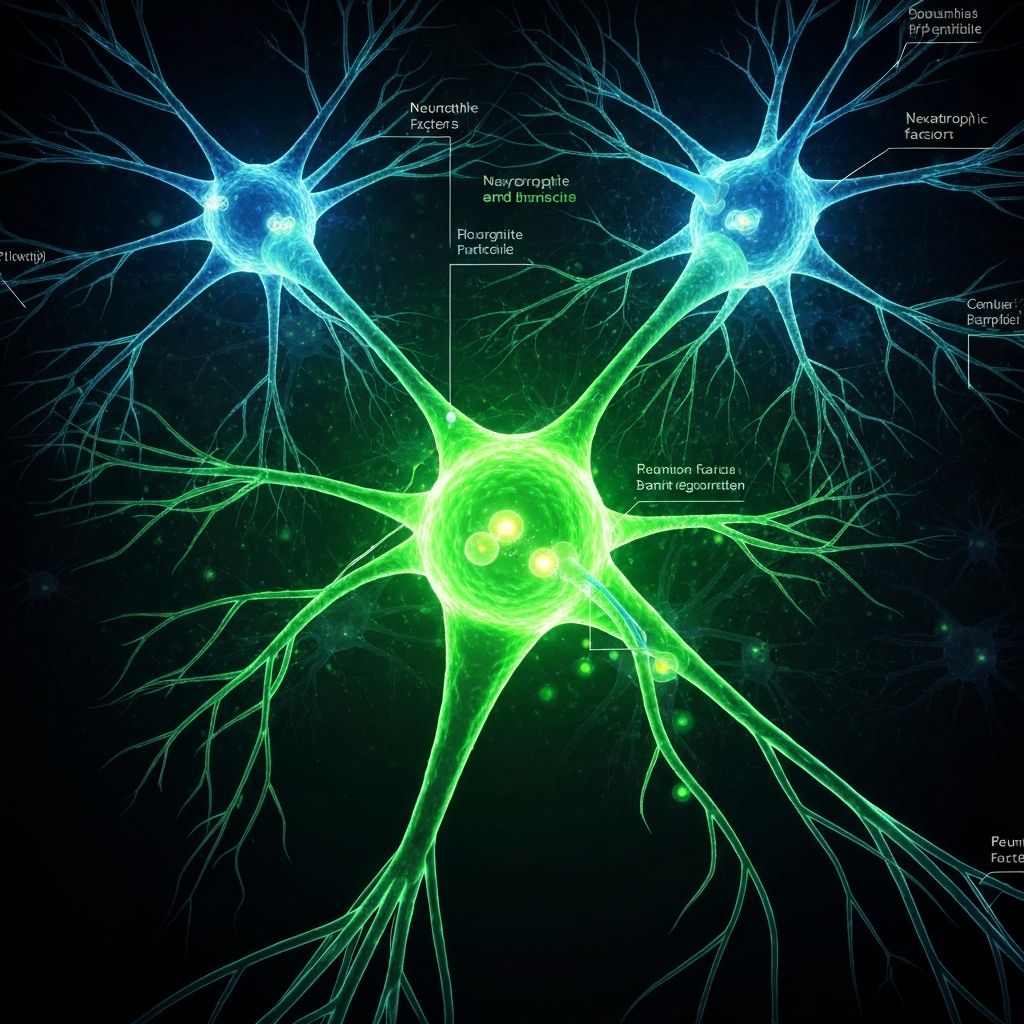
Cerebrolysin is a peptide preparation derived from porcine brain tissue, consisting of low-molecular-weight neuropeptides and free amino acids that are capable of crossing the blood-brain barrier. It has been used clinically for over three decades, primarily in Europe and Asia, for the treatment of stroke, traumatic brain injury, and neurodegenerative conditions including Alzheimer's disease.
The preparation mimics the activity of endogenous neurotrophic factors, particularly nerve growth factor (NGF) and brain-derived neurotrophic factor (BDNF). These neurotrophins are essential for neuronal survival, axonal growth, synaptic formation, and the maintenance of neural circuits. By supplementing neurotrophic signaling, Cerebrolysin supports the brain's intrinsic repair mechanisms and promotes neuroplasticity, the capacity of neural networks to reorganize and form new connections.
Clinical trial data in acute ischemic stroke patients demonstrates that Cerebrolysin, administered intravenously within 72 hours of onset and continued for 10-21 days, significantly improves functional recovery as measured by the National Institutes of Health Stroke Scale and the modified Rankin Scale. The peptide complex reduces infarct volume and improves outcomes in both motor and cognitive domains.
In Alzheimer's disease, randomized controlled trials have shown that Cerebrolysin improves global clinical function, cognitive performance, and daily living activities in patients with mild to moderate disease severity. The effects appear to be most pronounced with repeated treatment courses and are thought to arise from enhanced cholinergic transmission, reduced amyloid-beta toxicity, and improved synaptic density.
For longevity medicine applications, Cerebrolysin is increasingly used in patients experiencing age-related cognitive decline, post-concussion syndrome, or those seeking to optimize brain performance. Typical protocols involve intravenous infusion of 10-30 mL daily for courses of 10-20 days, repeated one to four times per year. Side effects are uncommon and generally mild, including transient headache or dizziness. Cerebrolysin represents one of the most clinically validated neurotrophic interventions available for supporting brain health across the lifespan.
Ready to Optimize Your Health?
Discover how personalized protocols tailored to your unique biology can transform your health and accelerate your longevity journey. Our membership programs provide access to cutting-edge therapies and one-on-one guidance.