DHEA: The Master Hormone Precursor
Exploring DHEA's role in hormone production, immune function, mood regulation, and age-related hormonal decline.
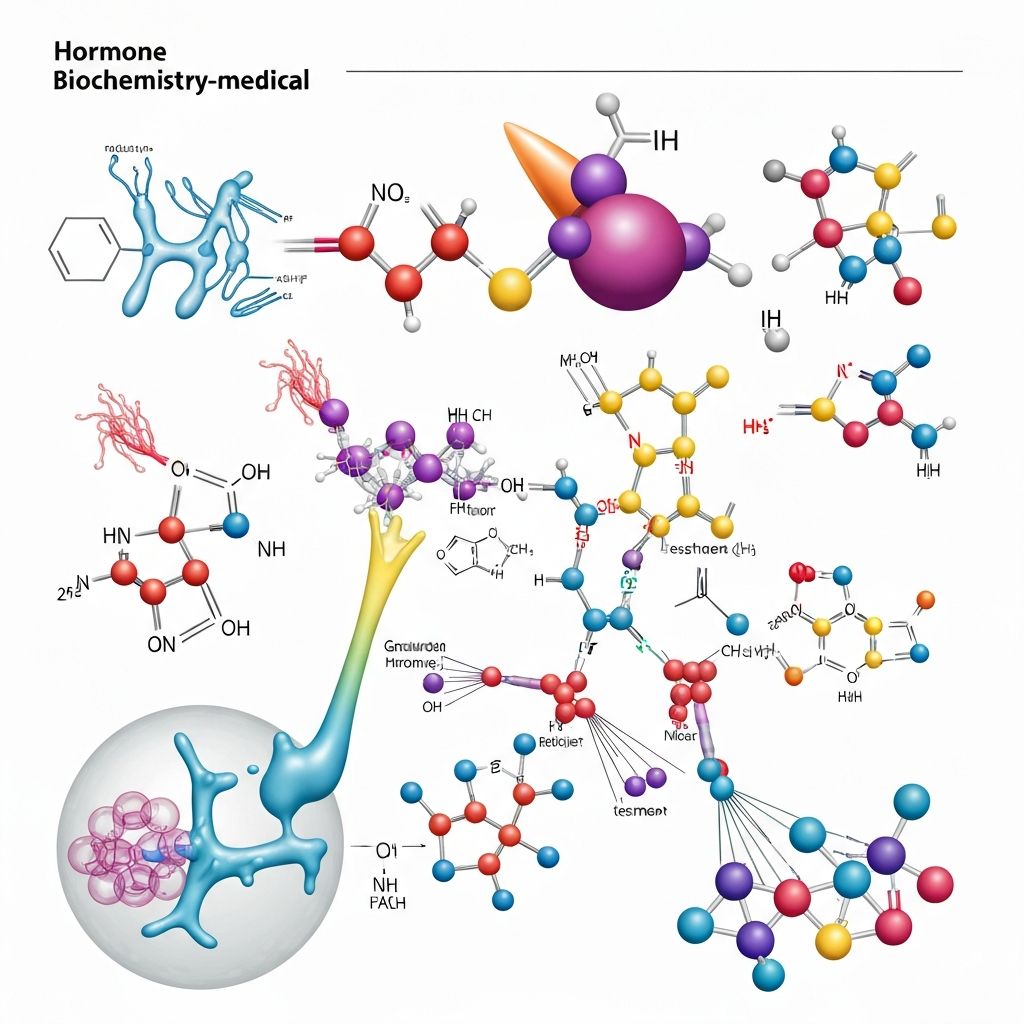
Dehydroepiandrosterone (DHEA) is the most abundant steroid hormone in the human body and serves as a precursor to both testosterone and estrogen. DHEA levels peak in our mid-20s and decline progressively with age - by age 70, levels may be only 10-20% of youthful peaks.
This decline correlates with many age-related changes including reduced bone density, decreased muscle mass, increased body fat, immune dysfunction, and mood changes. DHEA supplementation or replacement may help counteract these effects, though research shows mixed results.
DHEA influences multiple body systems beyond hormone production. It modulates immune function, supports brain health and mood, influences insulin sensitivity, and may have cardioprotective effects. Some studies suggest DHEA supplementation improves sense of well-being, particularly in individuals with low baseline levels.
Replacement should be guided by laboratory testing, typically measuring DHEA-sulfate (DHEA-S), the stable storage form. Optimal ranges are debated, but many longevity physicians target levels in the upper third of the reference range for age. Dosing typically ranges from 10-50mg daily, with regular monitoring of downstream hormones to ensure appropriate conversion.
Ready to Optimize Your Health?
Discover how personalized protocols tailored to your unique biology can transform your health and accelerate your longevity journey. Our membership programs provide access to cutting-edge therapies and one-on-one guidance.