Rapamycin for Longevity: mTOR Inhibition
Understanding how rapamycin extends lifespan through mTOR pathway modulation, autophagy enhancement, and cellular rejuvenation.
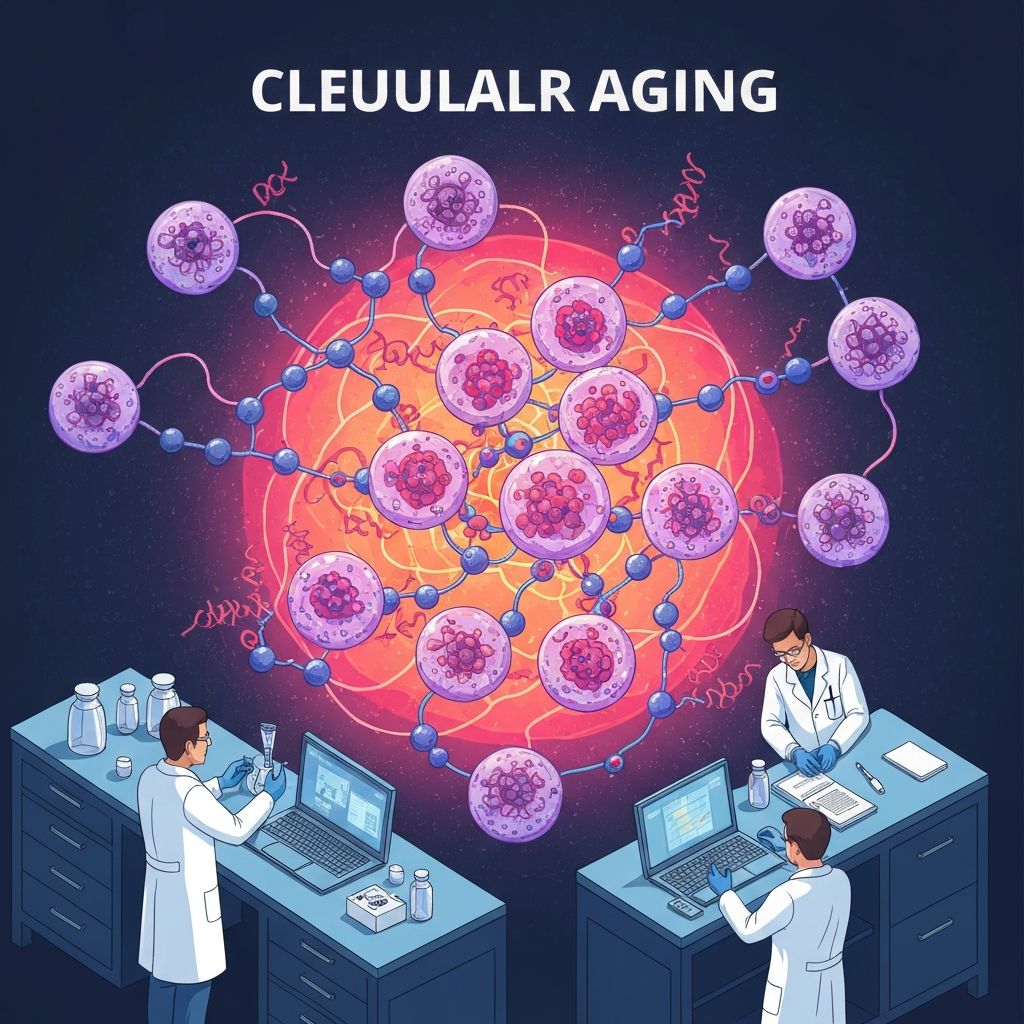
Rapamycin, originally discovered as an antifungal compound from Easter Island, has become one of the most exciting molecules in longevity science. It's the only drug proven to extend maximum lifespan in every species tested, from yeast to mammals.
Rapamycin works by inhibiting mTOR (mechanistic target of rapamycin), a protein complex that regulates cell growth, metabolism, and aging. When mTOR is overactive - which happens with aging, excess calories, and constant nutrient availability - cells prioritize growth over maintenance and repair.
By periodically inhibiting mTOR, rapamycin triggers autophagy, the cellular cleaning process that removes damaged proteins and organelles. This rejuvenates cells and may prevent or delay age-related diseases including cancer, neurodegeneration, and cardiovascular disease.
For longevity purposes, most physicians use weekly dosing protocols rather than daily doses used for immunosuppression. Typical doses range from 3-8mg once weekly. This intermittent approach maintains immune function while still providing longevity benefits. Regular monitoring of blood work helps ensure safety and optimize dosing.
Ready to Optimize Your Health?
Discover how personalized protocols tailored to your unique biology can transform your health and accelerate your longevity journey. Our membership programs provide access to cutting-edge therapies and one-on-one guidance.