Stem Cell Exhaustion: The Silent Driver of Age-Related Decline
How the progressive depletion of adult stem cell pools drives tissue deterioration with age, and emerging regenerative strategies including exosomes, peptides, and senolytics that aim to restore stem cell function.
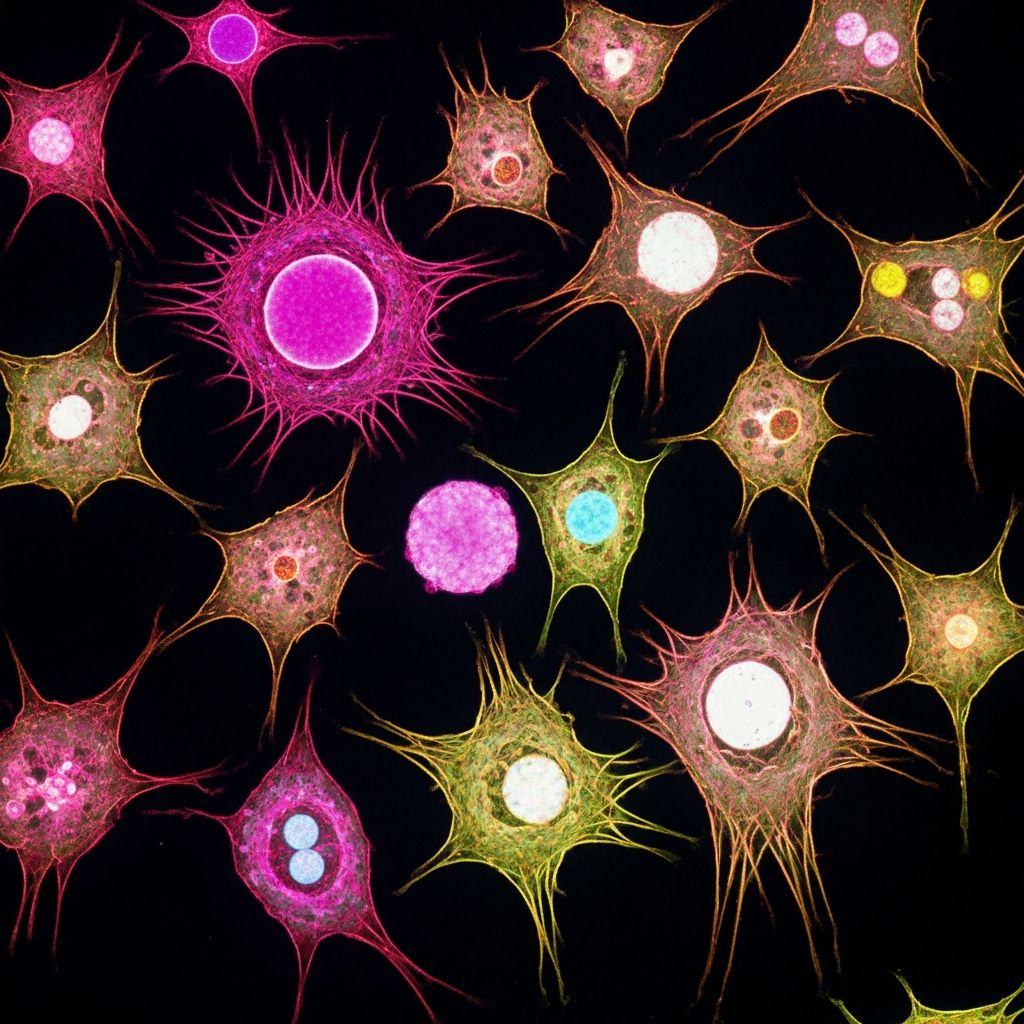
Every tissue in the body depends on resident stem cell populations for ongoing maintenance and repair. Hematopoietic stem cells regenerate blood and immune cells. Mesenchymal stem cells maintain bone, cartilage, and fat tissue. Satellite cells repair skeletal muscle. Neural stem cells, though limited, contribute to specific regions of brain plasticity. As we age, these stem cell populations decline in both number and function, a process termed stem cell exhaustion, which is now recognized as one of the twelve hallmarks of aging.
The mechanisms driving stem cell exhaustion are multifactorial. Accumulated DNA damage activates checkpoint pathways that push stem cells into senescence or apoptosis. Epigenetic drift alters the gene expression programs that maintain stem cell identity, causing cells to lose their regenerative capacity or differentiate inappropriately. Changes in the stem cell niche, the microenvironment that supports stem cell function, further compromise self-renewal through altered signaling, increased inflammation, and extracellular matrix remodeling.
The functional consequences of stem cell exhaustion are visible across organ systems. Immune function declines as hematopoietic stem cell output decreases and becomes myeloid-biased, contributing to immunosenescence and increased susceptibility to infection and cancer. Muscle repair slows as satellite cell numbers diminish, contributing to sarcopenia. Wound healing deteriorates. Cognitive resilience decreases as neural progenitor activity wanes.
Emerging therapeutic strategies aim to rejuvenate or supplement stem cell function. Exosome therapy delivers paracrine signaling molecules derived from young or optimized stem cells, providing regenerative cues without the risks of cell transplantation. Senolytic therapy clears senescent cells from stem cell niches, restoring a more youthful microenvironment. Peptides such as BPC-157, Thymosin Beta-4, and GHK-Cu promote tissue repair pathways that support endogenous stem cell activity. NAD+ repletion through NMN or intravenous NAD+ restores metabolic function in aging stem cells.
In clinical longevity practice, stem cell exhaustion is assessed indirectly through markers of tissue regenerative capacity, immune function panels, and biological age testing. Therapeutic protocols combining senolytic clearing, neurotrophic and regenerative peptides, and metabolic optimization represent the current best approach to mitigating this hallmark and preserving the body's capacity for self-renewal across the lifespan.
Ready to Optimize Your Health?
Discover how personalized protocols tailored to your unique biology can transform your health and accelerate your longevity journey. Our membership programs provide access to cutting-edge therapies and one-on-one guidance.