The Twelve Hallmarks of Aging: A Modern Framework for Longevity Medicine
A comprehensive review of the updated hallmarks of aging framework, from genomic instability and telomere attrition to dysbiosis and chronic inflammation, and how each can be therapeutically targeted.
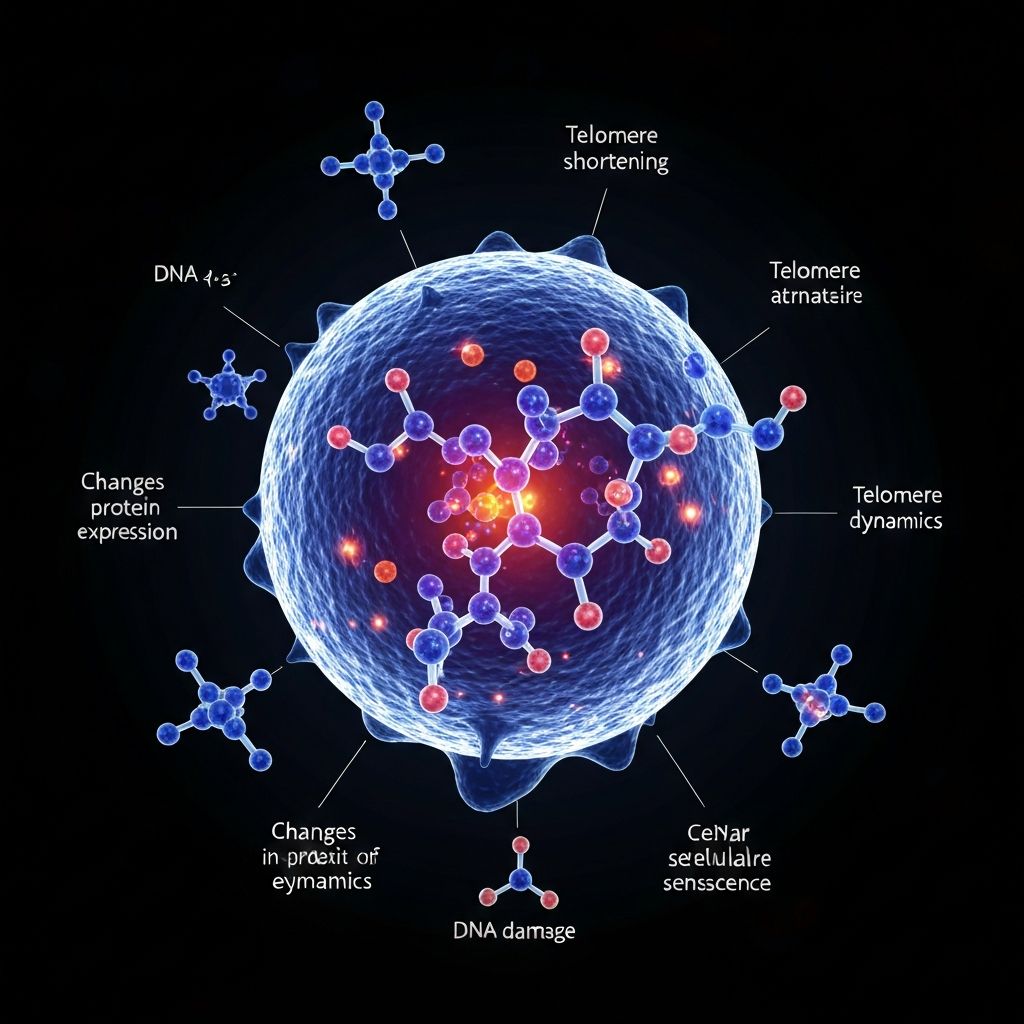
In 2013, Carlos Lopez-Otin and colleagues published a landmark paper identifying nine hallmarks of aging. Updated in 2023, the framework now encompasses twelve interconnected hallmarks that collectively drive the aging process. Understanding these hallmarks provides the theoretical foundation for modern longevity medicine and guides therapeutic intervention strategies.
The first category comprises primary hallmarks, which represent the initial causes of cellular damage. Genomic instability, the accumulation of DNA damage throughout life from endogenous and exogenous sources, underlies many age-related diseases including cancer. Telomere attrition, the progressive shortening of chromosome-protective caps with each cell division, limits cellular replicative capacity. Epigenetic alterations, changes in gene expression patterns without alteration of the DNA sequence itself, disrupt cellular identity and function. Loss of proteostasis, the failure of protein quality control mechanisms, leads to the accumulation of misfolded and aggregated proteins characteristic of neurodegenerative diseases.
Antagonistic hallmarks represent responses to damage that become harmful when chronic or excessive. Deregulated nutrient sensing, involving pathways such as mTOR, AMPK, and insulin/IGF-1 signaling, shifts cellular priorities from maintenance to growth. Mitochondrial dysfunction reduces cellular energy production and increases reactive oxygen species. Cellular senescence, the permanent arrest of cell division in damaged cells, contributes to tissue inflammation through the senescence-associated secretory phenotype.
Integrative hallmarks reflect the consequences of accumulated damage on tissue and organismal function. Stem cell exhaustion depletes the regenerative capacity of tissues. Altered intercellular communication, including chronic low-grade inflammation termed inflammaging, disrupts tissue homeostasis. The three newly added hallmarks, disabled macroautophagy, chronic inflammation, and dysbiosis, reflect our deepened understanding of recycling mechanisms, immune aging, and the role of the gut microbiome.
Each hallmark represents a therapeutic target. Rapamycin modulates nutrient sensing. Senolytics clear senescent cells. NAD+ precursors support mitochondrial function. Peptides such as BPC-157 and Thymosin Beta-4 promote tissue repair. Epigenetic reprogramming is an active frontier of research. The longevity physician's role is to assess which hallmarks are most accelerated in each patient and to deploy targeted interventions accordingly, transforming aging from an inevitability into a modifiable condition.
Ready to Optimize Your Health?
Discover how personalized protocols tailored to your unique biology can transform your health and accelerate your longevity journey. Our membership programs provide access to cutting-edge therapies and one-on-one guidance.